


Why do you need a data center and how does it work?
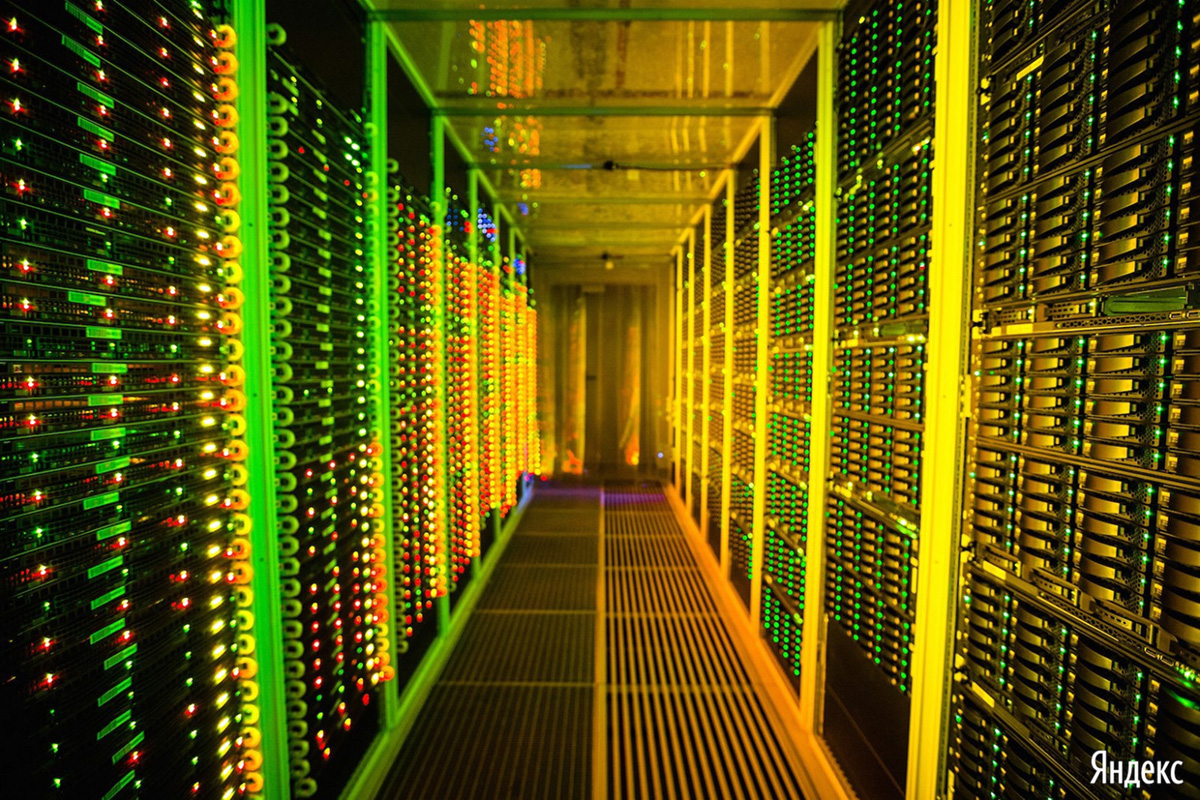
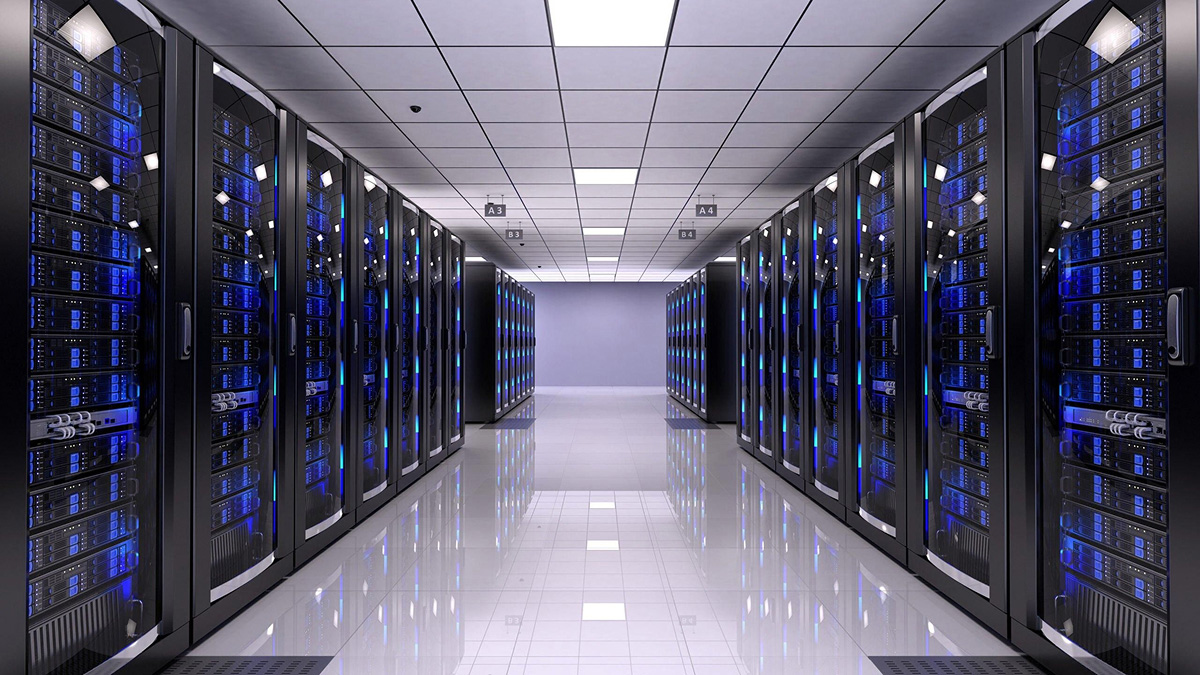
A data center, or data processing center (DPC), is a specialized facility designed to house, ensure uninterrupted operation, and maintain systems critical to the digital economy. The primary purpose of a modern data center is the reliable storage, processing, and distribution of vast amounts of information. A single data center complex can house anywhere from tens to hundreds of thousands of servers that process internet service requests, run cloud applications, train artificial intelligence models, and support the digital infrastructure of government and businesses. Thus, this center acts as the physical heart of the global network, converting electricity and equipment into computing power. Efficient operation of the system is enabled by a well-coordinated engineering infrastructure: uninterruptible and redundant power supply, precision cooling systems, physical security, and high-speed network communications. Ultimately, the fault tolerance and performance of each data center directly impacts the quality of digital services received by millions of end users.
Data center operations are built around several key principles: reliability, scalability, and security. The focus is always on the server hardware—specialized computers clustered in racks to form computing clusters. Each server consumes electricity and generates heat, so optimizing these processes is critical. Power Usage Effectiveness (PUE) is one of the center’s key performance indicators. Cooling technologies are constantly evolving, from traditional air conditioning systems to modern liquid cooling and free-cooling solutions using outside air. Management of this complex system, including resource allocation and monitoring, is accomplished using specialized software. This allows for a flexible approach to solving problems of varying complexity, whether working with big data or high-load computing for artificial intelligence systems.
What are the differences between data centers?
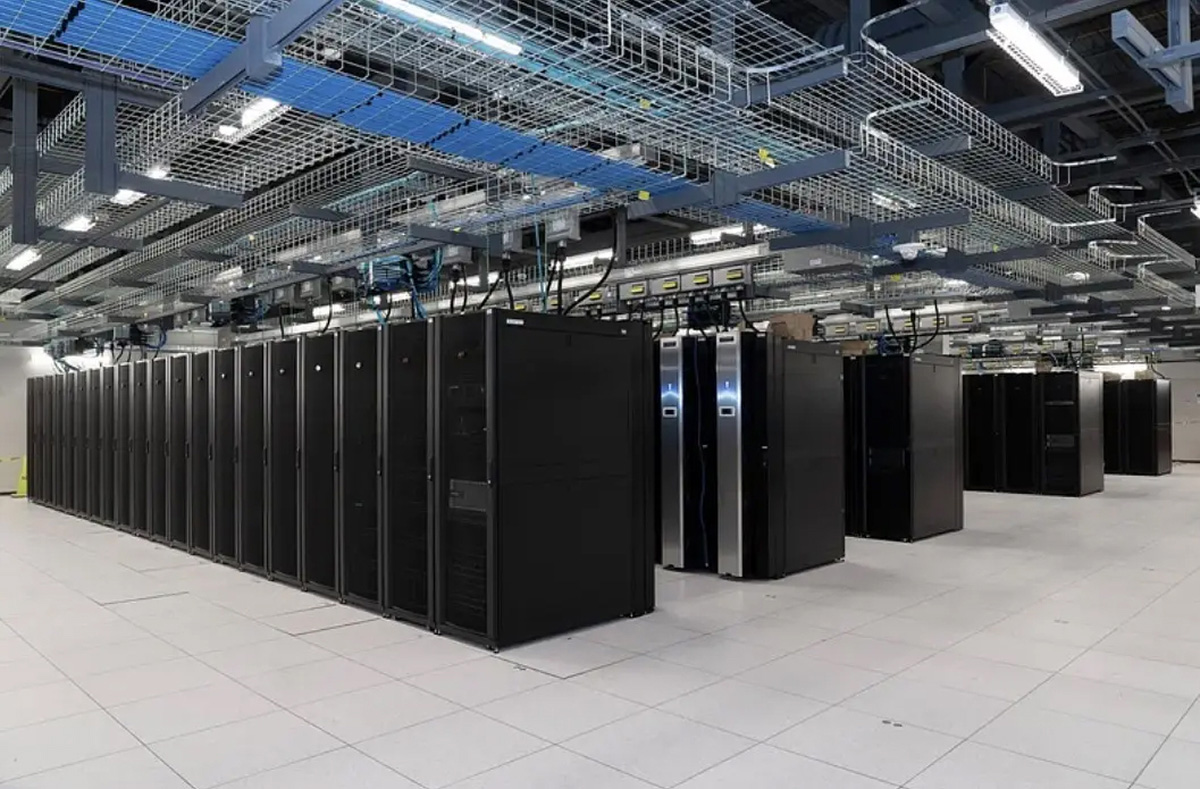
Data centers are diverse and classified by several key criteria that define their architecture, target audience, and technological approach. The first and most important distinction is based on the ownership and usage model: corporate (“captive”) and commercial. Corporate data centers are created by companies to solve their own internal problems (on-premises) and do not offer services to third-party clients. Commercial centers, in contrast, operate as commercial infrastructure, providing clients with colocation services (hosting their own equipment), virtual server rentals, cloud capacity, or a full-cycle managed service. Another important criterion is the level of reliability, which is described by the Tier classification (from I to IV). This standard determines the fault tolerance of engineering systems: the higher the level, the more redundant components (power supplies, cooling ducts) and the higher the service availability, reaching 99.995% per year for Tier IV.
In recent years, another trend in classification has gained momentum: separating data centers by task type and workload density. Traditional data centers are optimized for general-purpose enterprise workloads with power consumption per rack in the region of 4-8 kW. However, the boom in artificial intelligence technologies has generated demand for high-density data centers, where a single rack with GPU accelerators can consume 30, 50, and even 100 kW. This workload requires a fundamentally new architecture: liquid cooling systems, specialized layouts, and increased power input requirements. Furthermore, geographic distribution is an important trend. The largest hyperscalers are building huge centralized availability zones, while edge data centers—small modular facilities located close to the source of data generation—are being developed for low-latency workloads (Internet of Things, autonomous systems).
- Type by usage model: Corporate (on-premises) and commercial (colocation, cloud).
- Reliability level: Tier classification from I (basic) to IV (maximum fault-tolerance).
- Target workload: General-purpose, high-performance computing (HPC), AI clusters.
- Geography and scale: Large centralized regions, distributed networks, edge modular centers.
How a data center works
A modern data center is a complex engineering construct, its architecture divided into several interconnected layers. The physical foundation is the building itself or a specially designed space that must meet strict requirements for floor loads, security, and the availability of utilities. Within it is the heart of the center—the white space. It is here that the active equipment—servers, storage systems, network switches, and routers—is housed in standardized server racks and cabinets. The white space is organized according to the principles of hot and cold aisles to improve cooling efficiency.
The second critical layer is the engineering infrastructure (support space, or “gray” rooms). It ensures the operation of the entire computing cluster. This infrastructure includes:
- Power supply systems: Input distribution devices, uninterruptible power supplies (UPS) based on batteries and diesel generator sets (DGS) for long-term autonomous operation.
- Cooling systems: Precision air conditioners, chillers, dry coolers or modern liquid cooling systems that remove the enormous amount of heat generated by the equipment.
- Network infrastructure: Fiber-optic and copper cable routes, cross-connect panels, providing high-speed communication both within the center and with external telecom operators.
- Security and monitoring systems: Access control (ACS), video surveillance, fire alarm and gas extinguishing systems, as well as a set of sensors that monitor temperature, humidity and other parameters.
Finally, the third layer is management and orchestration software. With its help, data center operators virtualize physical resources (CPUs, memory, storage), automatically distribute workloads, perform monitoring, and ensure cybersecurity. Modern software platforms make it possible to manage thousands of servers as a single pool of flexible capacity, which forms the basis for delivering cloud services. Thus, the data center’s design represents a carefully balanced ecosystem, where each component plays a vital role in ensuring uninterrupted computing.
Major players and new rules: what awaits the Russian data center market in 2025
The Russian data center market is demonstrating steady growth, but in 2025 it will enter a phase of structural changes that will shape its future for years to come. At the beginning of the year, according to IPG.Estate, there were 194 data centers operating in the country, with a total capacity estimated by experts at 1.2–1.7 GW. Approximately 76% of all capacity remains concentrated in Moscow and the surrounding region, placing significant strain on the local power grid and stimulating a trend toward regional development. The market is highly concentrated: the five largest players, according to various estimates, account for over 60% of the capacity. Rostelecom/RTK-DC Group remains the leader, followed by operators such as IXcellerate and Rosatom.
The main drivers of demand growth remain the digitalization of the public sector and business, along with the explosive development of artificial intelligence (AI) and the Internet of Things (IoT) technologies. This is leading to a qualitative shift in infrastructure requirements: clients need not just rack space, but ready-made, high-performance solutions for specialized workloads. In response, operators are transforming from colocation providers to providers of comprehensive digital services. However, a number of significant barriers hinder market development: the shortage and high cost of modern server and infrastructure equipment, limited availability of credit due to the high key interest rate, and a growing shortage of power capacity in the central region. According to Sberbank estimates, if current growth rates continue, electricity consumption in data centers in Russia could double by 2030.
A key legislative event in 2025 was the adoption of a law defining the term “data center” for the first time in federal law and establishing a legal framework for their operation. The Russian Ministry of Digital Development, Communications, and Mass Media is maintaining a registry of data centers, which will help streamline the industry. New codes of practice for the design and construction of data centers have also been approved, aimed at increasing their reliability and energy efficiency. Additional regulatory measures will be introduced in 2025; in particular, a ban on the deployment of mining equipment in registered data centers is planned for March 1, 2026. All these measures will create a new, more streamlined, and secure environment for the industry’s development.
- Geography: Moving away from oversaturated Moscow to energy-rich regions (Siberia, the Urals, the Northwest).
- Technologies: Priority is given to building new facilities (Greenfield) for high AI loads with liquid cooling and a domestic technology stack.
- Model: Transition from simple rack leasing to hybrid and multi-cloud solutions, integration with public and private cloud services.
- Investments: Market consolidation and the active role of the state as a major customer and investor in the creation of critical infrastructure.
Other materials in this section
Beyond technology and the market, industry events are an important part of the data center ecosystem, where professionals discuss the architecture of the future, share case studies, and shape new standards. Conferences provide a platform for dialogue between customers, vendors, integrators, and regulators, which is especially important during a period of rapid technological change.
Cloud migration
A separate and highly sought-after section of discussions is devoted to strategies, best practices, and tools for migrating corporate IT workloads to the cloud. Experts will explore in detail the choice between public, private, and hybrid clouds, cost of ownership (TCO) assessments, data security, and application resiliency in the new architecture.
Business Process Management 2026
The role of modern data centers as platforms for business processes is enormous. Specialized sessions will discuss how cloud infrastructure and services hosted in reliable data centers enable the automation and optimization of end-to-end processes within companies, making them more flexible and adaptive.
Artificial Intelligence Technologies 2026
A key topic for any data center operator and its clients, the conferences cover the full cycle—from specific hardware requirements (GPUs, specialized processors, high-speed networks) and cooling systems for model training to the deployment and inference of AI services in an industrial environment. Particular attention is paid to import substitution in this segment.

