


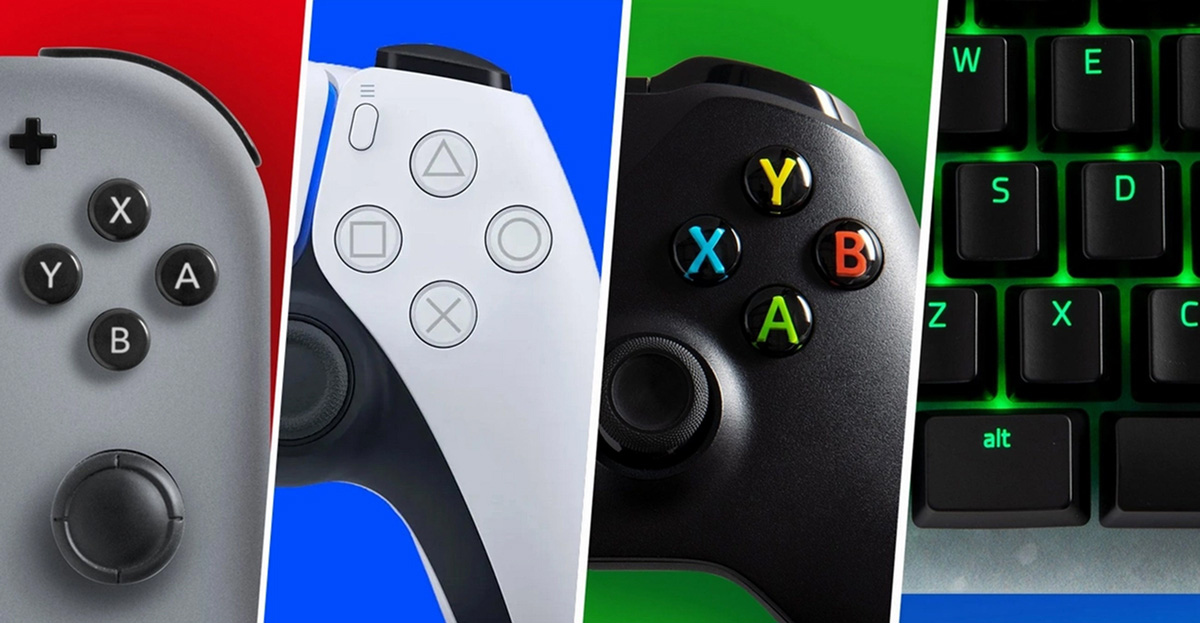
Cross-platform play
Cross-platform play, or crossplay, is a technology that allows players on different devices—personal computers (PCs), game consoles, and smartphones—to interact in a single virtual space. For PC gamers, this feature is a game-changer, blurring technical boundaries between communities and opening the door to significantly more populated worlds. Today, it’s no longer an experiment, but a sustainable trend shaping the future of multiplayer games. Research shows that more than half (55%) of mobile gamers also play on consoles, and 42% on PCs, creating a unified, interconnected audience.
What are cross-platform games?
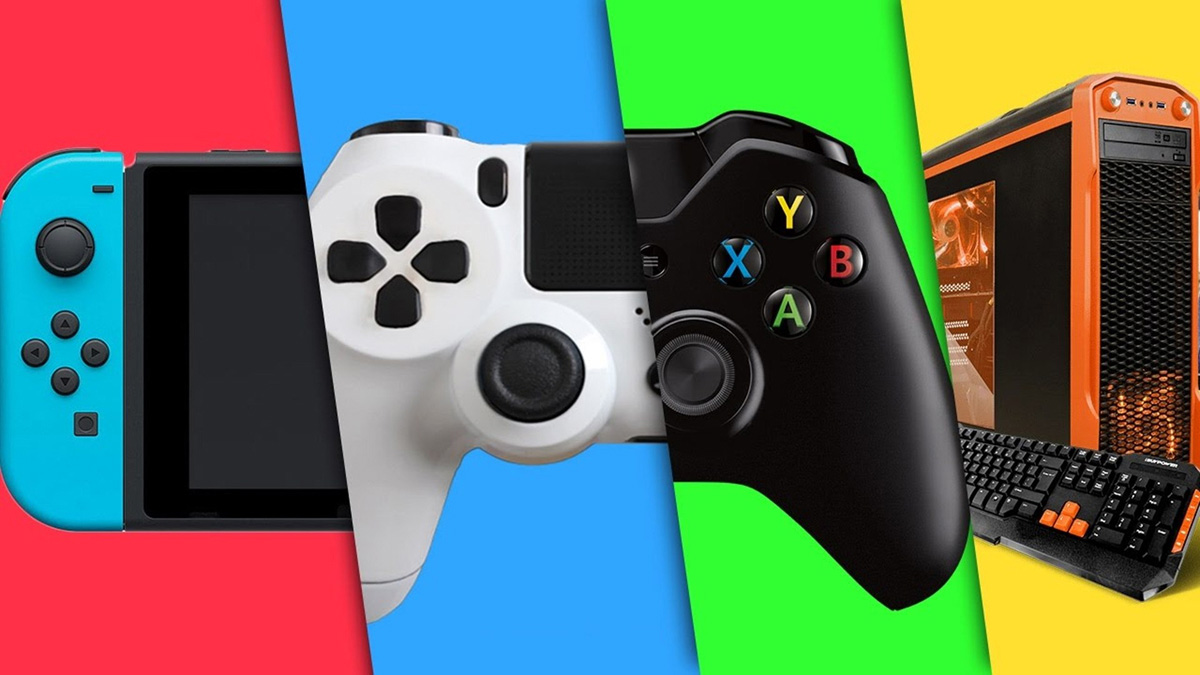
Cross-platform play allows users of different systems to play the same game and participate in cooperative multiplayer. If a title supports this feature, the owner of a powerful gaming PC can easily team up with a friend on PlayStation 5, Xbox Series X|S, or even Nintendo Switch.
It is important to distinguish between several types of implementation of this technology in modern projects:
- True Cross-Platform Games: Notable examples include Fortnite, Minecraft: Bedrock Edition, and Genshin Impact. Players can seamlessly switch between devices, preserving all their progress, and matchmaking automatically connects users across platforms.
- Games with cross-save support: Games like Destiny 2 allow saves, achievements, and inventory to be transferred between different platforms. However, the multiplayer itself may remain separate, meaning a PC player cannot directly play against a console player.
- Adapted versions (Multiplatform with Variations): The same game universe exists on different platforms, but in technically separate versions optimized for the capabilities of a specific device. A classic example is PUBG and PUBG Mobile.
The History of Cross-Platform Play
The origins of the technology go back to the early 2000s, when the first, albeit limited, experiments in uniting players from different systems appeared.
Regarding consoles
Early attempts were scattered and often hampered by the closed policies of hardware manufacturers.
- Microsoft: The company was one of the first major players to explore interoperability between Xbox and Windows PCs. It pioneered this with Shadowrun in 2007. Later, with the release of Windows 10, Xbox Live services were deeply integrated into the PC ecosystem, laying the foundation for modern cross-platform solutions.
- Nintendo: Traditionally, it has taken a more cautious stance. However, as the phenomenon has grown in popularity, successful multiplatform hits like Fortnite have come to Switch, supporting crossplay with other systems.
- Sony: For a long time, it remained a proponent of a “closed garden” for its PlayStation platform. The turning point came in 2019, when, after much debate, cross-platform play was finally added to Minecraft for PS4. Today, many major multiplayer games, including Call of Duty, natively support cross-platform play with PlayStation.
Regarding mobile devices
The introduction of this technology to mobile platforms has been a true revolution. It has enabled the unification of millions of smartphone users with traditional gaming platforms. Projects such as Fortnite: Battle Royale and Minecraft have become breakthroughs. Major publishers are now actively developing this practice, and game engines provide tools for the relatively simple integration of mobile devices into the overall ecosystem.
Trends and the Future of Cross-Platform Play
Cross-platform development is no longer just a convenient option—it’s a growth driver for the entire industry. The market for cross-platform development is valued at tens of billions of dollars and continues to expand.
Why Cross-Platform Gaming Is Becoming a Trend
There are several reasons for this rapid growth, all of which directly impact the user experience. First, a broader audience. Games are expanding beyond niche platform communities, creating unified, vibrant worlds where players can always find someone to play with or play co-op with. Second, social freedom. Players are no longer limited to choosing friends based on what their computer is playing. Now, the game itself matters, not the device it’s played on. Third, business efficiency. For developers and publishers, releasing a single version of a project and then adapting it to different systems is often more cost-effective than creating several separate products.
Developing a cooperative and supporting progress
The next logical step after connecting players in real time was synchronizing their long-term efforts. Cross-progression is becoming a standard for service games. It allows you to start a gaming session on a PC and continue from the same point on a console or mobile device. Platform giants are also embracing this trend: for example, Microsoft has implemented synchronization of game history and progress between Xbox consoles and Windows PCs. This proves that the future lies in a seamless gaming experience tied to the user’s account, not specific hardware.
The Best Cross-Platform Games of 2025
2025 offers a rich selection of high-quality projects featuring state-of-the-art technology. Here are just a few striking examples from various genres that are perfect for playing with friends on any device.
Action and shooters
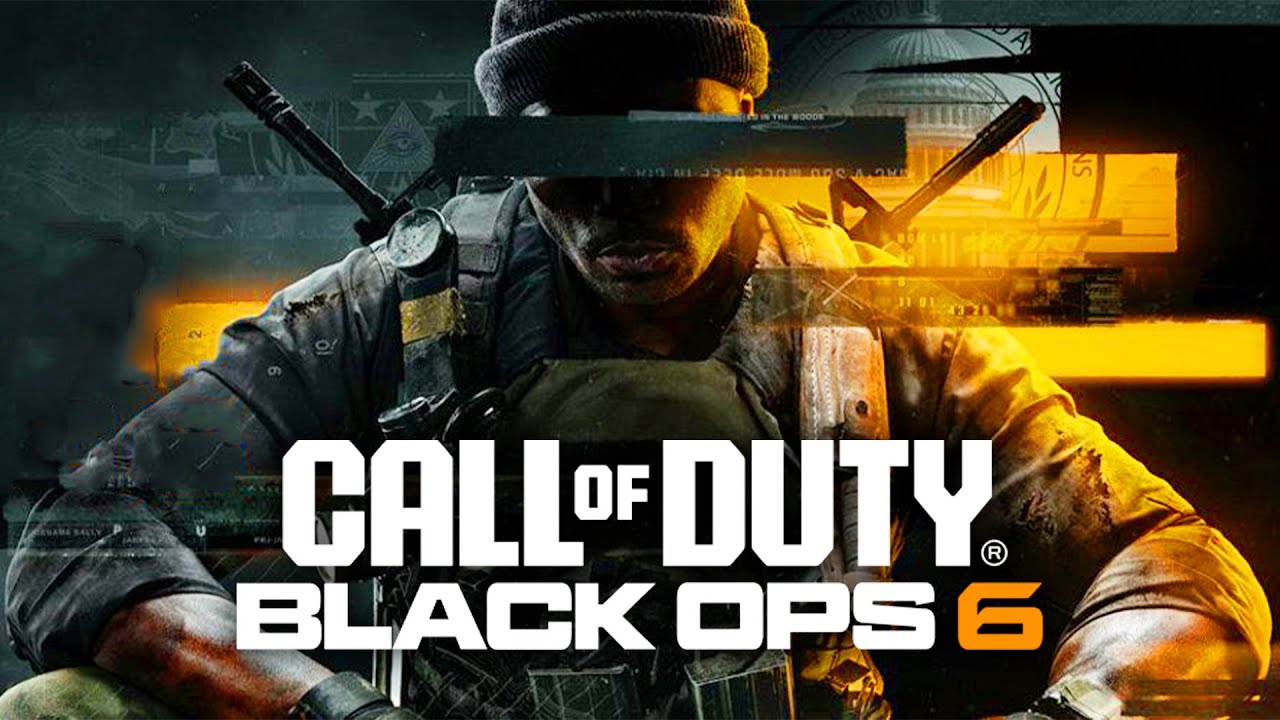
- Call of Duty: Black Ops 6: The legendary series continues to set the standard for cross-platform competitive shooters by offering shared matchmaking across PC and consoles.
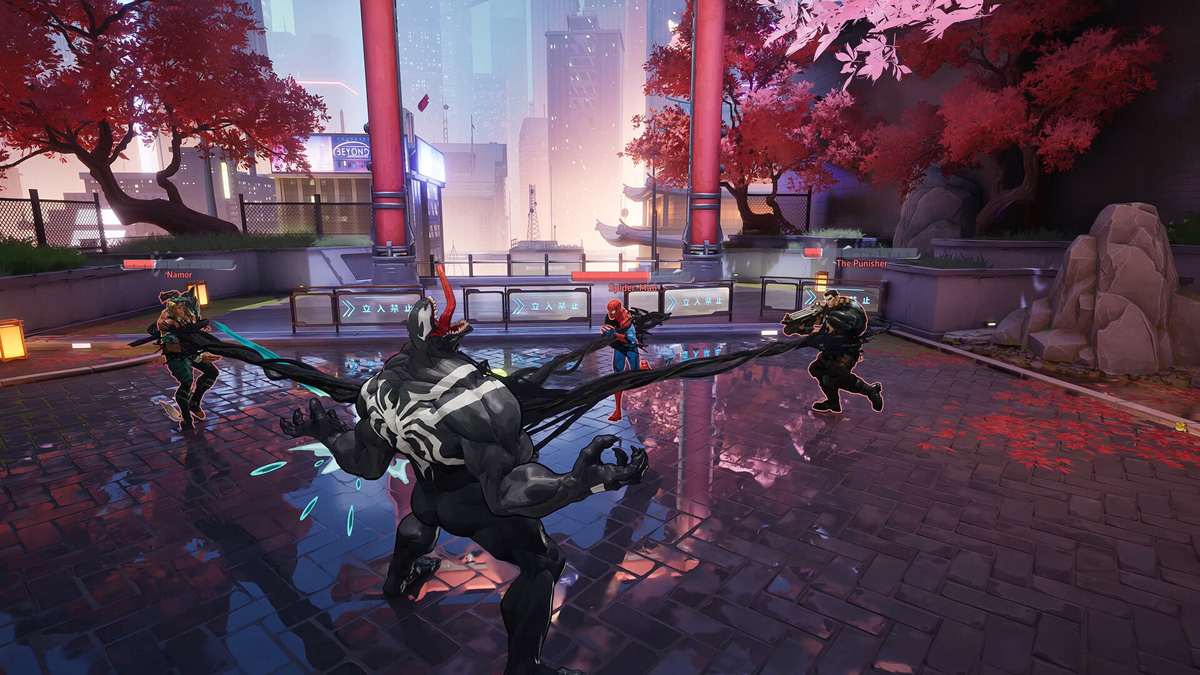
- Marvel Rivals: A team-based third-person shooter featuring a vast roster of Marvel superheroes. This high-quality title supports crossplay between PC and next-gen consoles, allowing you to assemble your dream teams regardless of platform.
Survival and horror
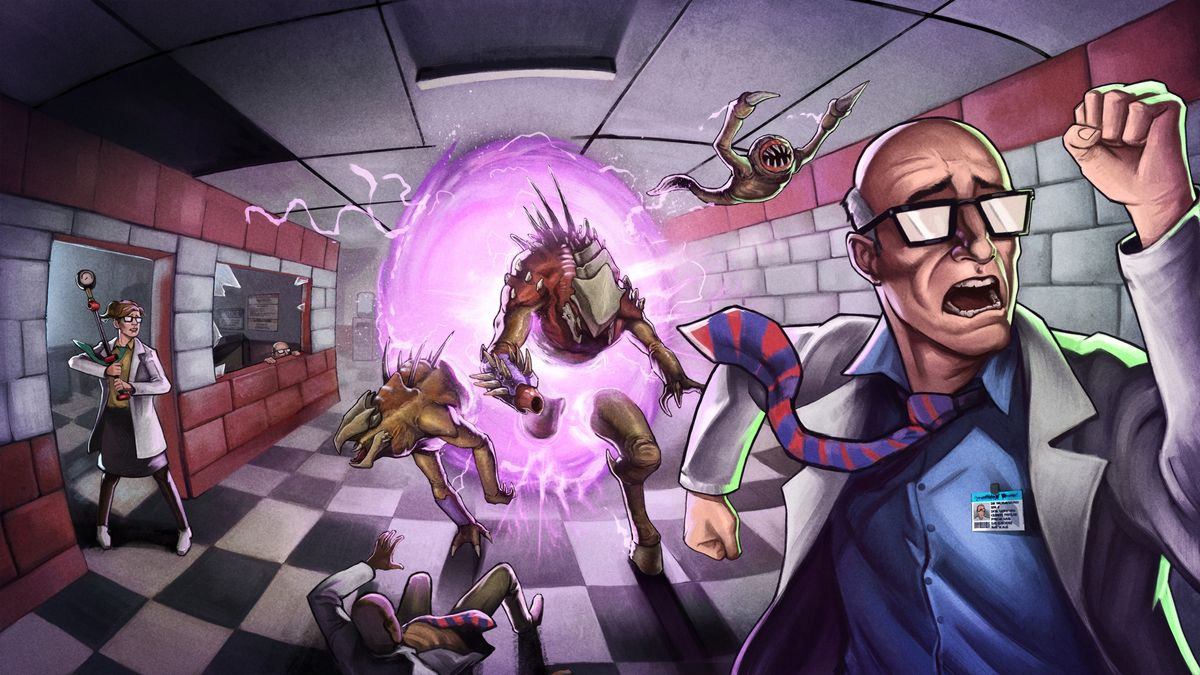
- Abiotic Factor: A cooperative survival horror game with a classic Half-Life feel, designed for up to six players. Available on PC, the game makes extensive use of cooperative survival mechanics.
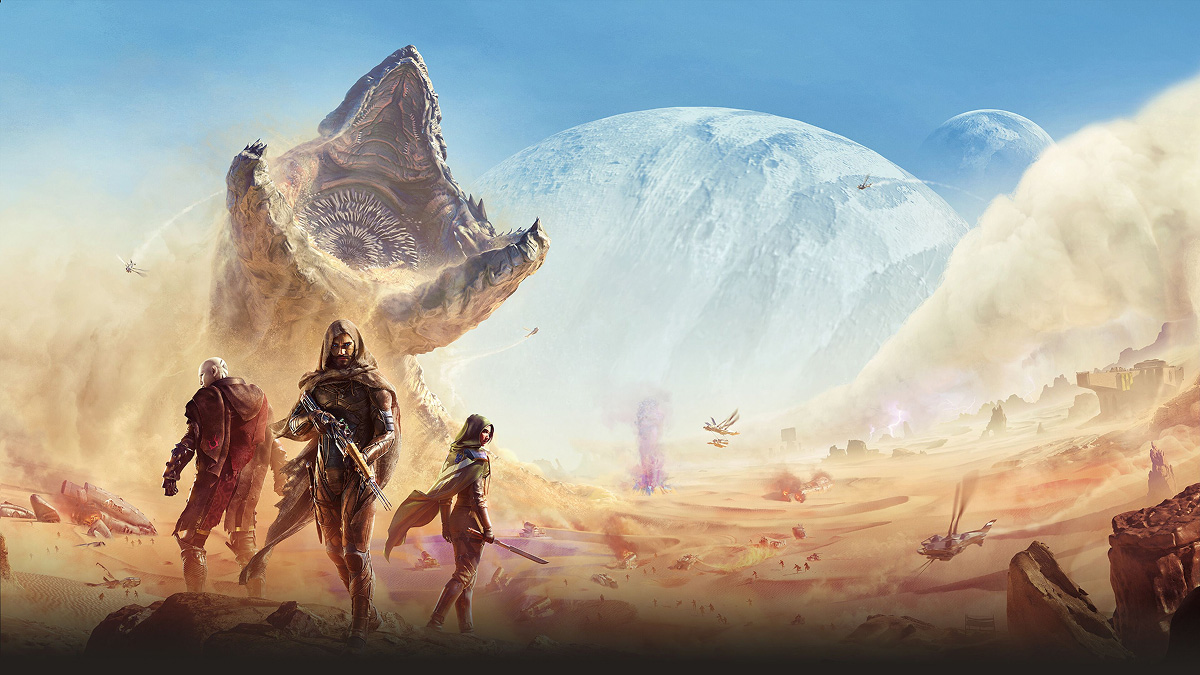
- Dune: Awakening: A large-scale survival MMO set in the Dune universe. Players must survive, scavenge resources, and engage in conflict on Arrakis, with cross-platform play between PC and consoles.
MMO and RPG
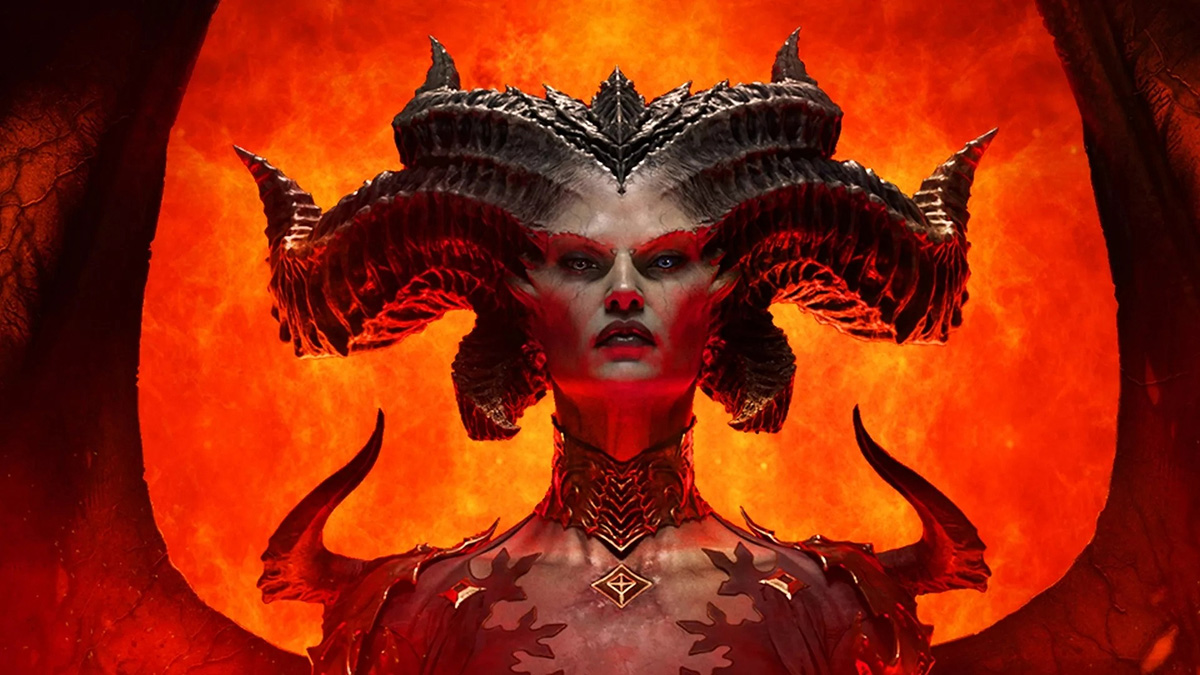
- Diablo IV: A dark action/RPG where you can team up and explore the dungeons of Sanctuary with friends, whether they’re playing on PC, PlayStation, or Xbox.
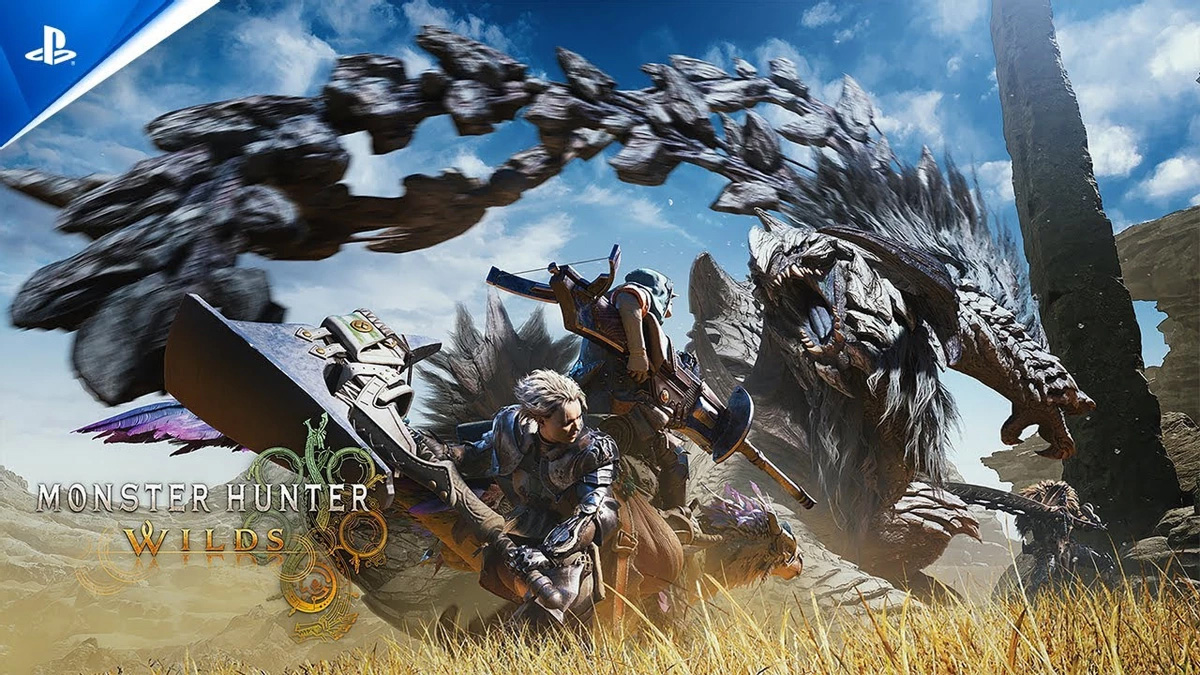
- Monster Hunter Wilds: The latest installment in the iconic series takes a bold step toward a fully open world. Co-op hunting of colossal monsters is now even more accessible thanks to cross-platform support between PC and consoles.
Sports and racing
- F1® 25: The official Formula 1 simulator offers highly realistic racing with cross-platform multiplayer support between PC, PlayStation 5 and Xbox Series X|S, blurring the boundaries between racing communities.
Sandboxes and simulators
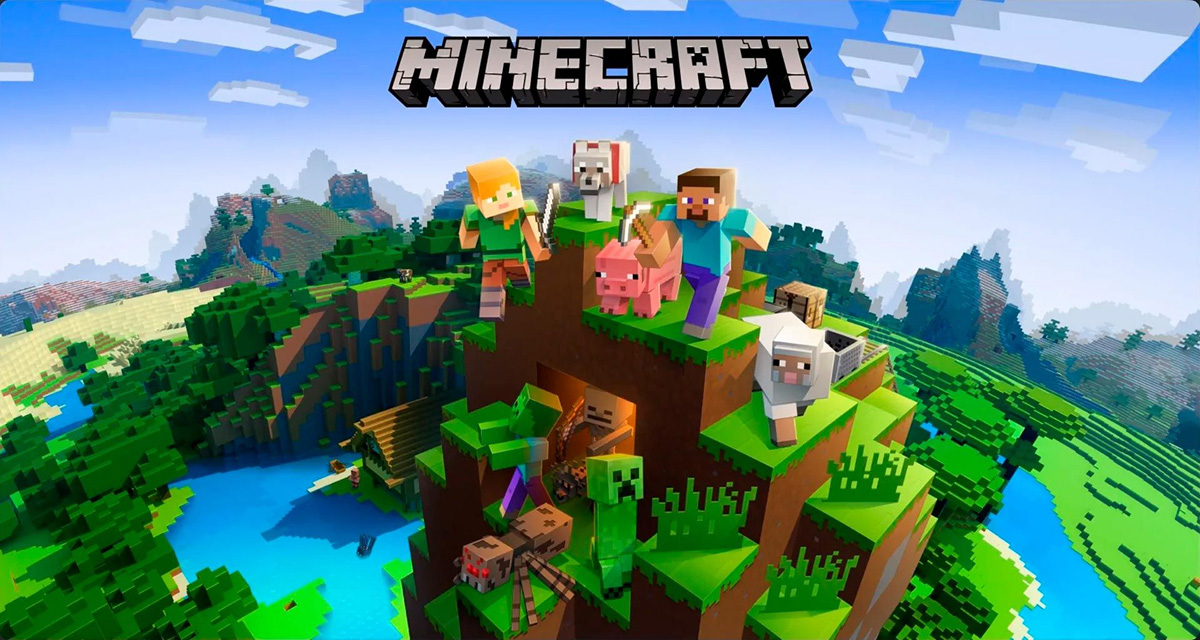
- Minecraft: The perennial champion and pioneer of the genre, Bedrock Edition sets the standard for true cross-platform play, uniting players from virtually every device in a single, cube-shaped world.
Fighting games
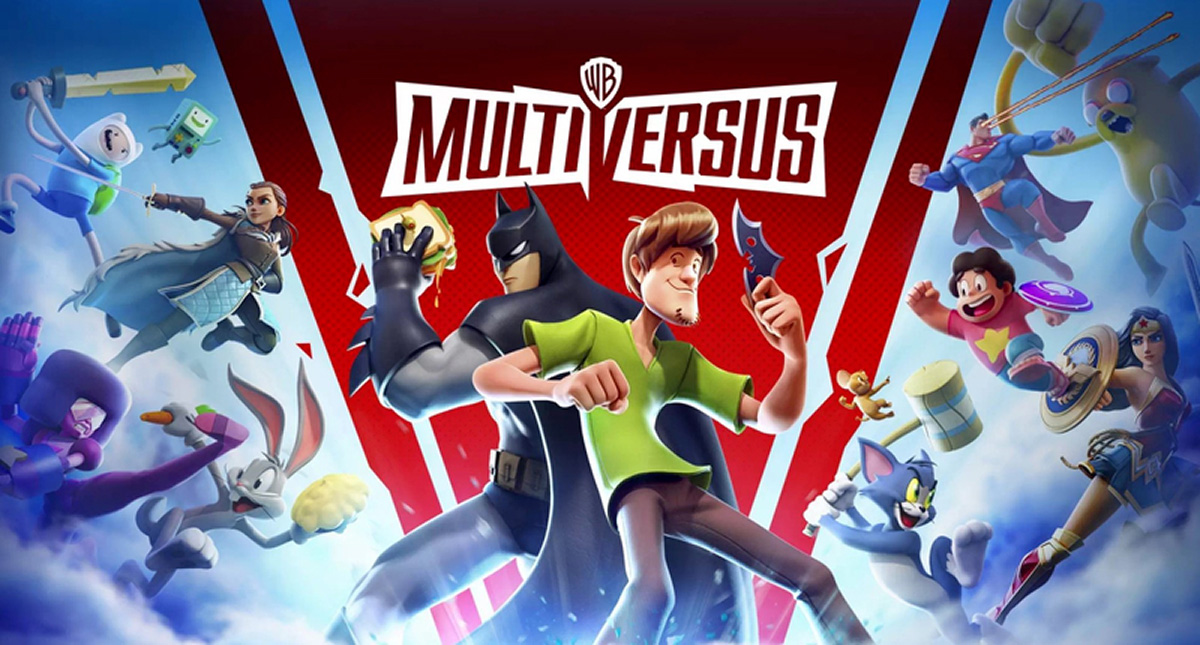
- MultiVersus: The fast-paced and action-packed crossover fighting game returns with updated cross-platform play support, allowing for tournaments with players from all systems.
Comparison of cross-platform and multi-platform games
It’s important not to confuse two key concepts that often appear in project descriptions. Multiplatform means that the same game is released on multiple platforms (e.g., PC, PlayStation, Xbox). However, players of these different versions exist in isolation from each other, in separate ecosystems. Cross-platform is the next evolutionary step. It not only implies the existence of versions for different systems but also connects them into a single network, allowing players to interact across hardware barriers. Thus, all cross-platform games are multiplatform by default, but the converse is not true.
Games with cross-save and cross-progression support
In addition to real-time cooperative play, the ability to save and transfer their progress is equally important to many gamers. Cross-save and cross-progression features solve this very problem. They allow you to continue playing from the same point on another device, preserving all your progress, items, and in-game currency.
- Full synchronization: The ideal that modern service games strive for. Progress, unlocked items, and purchases (using in-game currency) are accessible everywhere. This is achieved in games like Fortnite and Warframe.
- Limited synchronization: Some games may only sync base campaign progress or character levels, while paid in-game purchases made on one platform do not transfer to other platforms. It’s best to check the specific game’s policy before playing.
Cross-platform development tips
Creating a game that will run stably and comfortably on devices with radically different performance and control systems is a complex technical and design challenge.
Optimization and testing
The main challenge is the hardware disparity. A powerful gaming PC with a mouse and keyboard, a console with a gamepad, and a smartphone with a touchscreen offer completely different experiences. Gameplay balance becomes crucial: the advantages of a high frame rate (FPS) and precise controls on a PC must be balanced to ensure the game remains fair and engaging for all participants. This requires a tremendous amount of testing and fine-tuning of game mechanics, such as the aim assist system for gamepad players.
Engine selection and marketing
Modern game engines form the foundation for cross-platform development. The two most popular solutions—Unity and Unreal Engine—offer developers powerful built-in tools for creating projects ready to launch on multiple platforms. From a marketing perspective, cross-platform play is a strong advantage in itself. It allows for a unified advertising campaign aimed at the broadest possible audience and minimizes the risks associated with a limited player base on any one platform.

